Inside a Modern Aluminum Factory: What Takes Place From Melting to Final Inspection
Inside a modern aluminum foundry, the improvement of basic materials into ended up products is a facility and systematic procedure. Each stage, from picking the ideal alloys to final examinations, plays an important duty. Competent operators and advanced modern technology operate in consistency to assure top quality and precision. As the journey unravels, the detailed actions expose the careful care required to satisfy sector criteria. What obstacles and developments await in this essential manufacturing domain name?
The Raw Materials: Comprehending Light Weight Aluminum Alloys
Light weight aluminum alloys offer as the structure for the modern-day light weight aluminum shop process, supplying a flexible range of homes customized for various applications. These alloys are largely made up of aluminum, with various other components like copper, silicon, zinc, and magnesium contributed to enhance details features. Each alloying element contributes one-of-a-kind attributes, such as enhanced toughness, improved rust resistance, or boosted machinability.
The category of aluminum alloys is usually separated right into two groups: functioned and cast. Wrought alloys are processed with mechanical methods, while cast alloys are formed by putting molten metal right into molds. The choice of alloy relies on the planned usage, with some alloys optimized for high-performance aerospace elements, while others are matched for automobile applications. Understanding the composition and qualities of these alloys is vital for makers to meet the rigorous needs of contemporary engineering and layout needs.
Melting Process: Transforming Solid to Liquid
The melting process is a critical action in the light weight aluminum factory, where solid aluminum alloys are changed into a fluid state to facilitate casting. This makeover begins with the careful selection of basic materials, followed by their placement in a heating system created to attain high temperatures. Shops typically use either induction or reverberatory heaters, each offering distinctive benefits for melting efficiency and power intake.
As the strong aluminum warms, it undertakes a stage modification, with the temperature level carefully checked to assure even melting. Oxides and contaminations are often eliminated throughout this phase, enhancing the quality of the liquified aluminum. The process calls for competent operators who manage the furnace problems, ensuring the alloy reaches the preferred temperature level and composition. As soon as the light weight aluminum is fully melted, it is all set for the next stage, allowing precise casting that satisfies strict sector standards.
Pouring Strategies: Accuracy in Every Decline
Pouring molten light weight aluminum right into mold and mildews calls for precise accuracy to guarantee that each decrease loads the cavity uniformly and properly. Different strategies are used to achieve this degree of accuracy, with each method customized to specific casting demands. The putting process is frequently assisted by the use advanced tools, such as automated putting systems, which guarantee consistent flow prices and temperature levels.
Additionally, operators keep an eye on the viscosity of the molten aluminum, as variations can significantly influence just how well the steel fills up intricate mold and mildew designs. Precision aluminum casting. The angle and height from which the light weight aluminum is poured are likewise essential elements; inappropriate putting can bring about problems such as air pockets or incomplete loads
To mitigate these risks, competent technicians utilize technique and experience, changing their methods based upon real-time comments. Overall, the combination of sophisticated innovation and human experience is crucial for achieving suitable putting cause modern light weight aluminum factories.
Molding Methods: Forming the Future
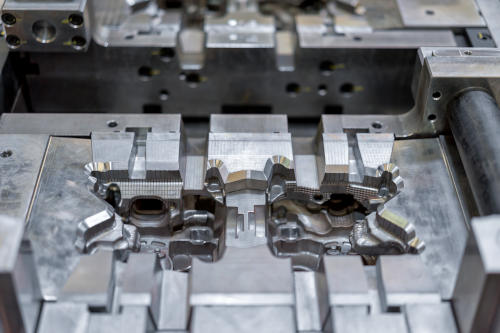
Molding methods play a vital duty in the aluminum foundry process, affecting both high quality and efficiency. Amongst the key strategies are sand casting and pass away spreading, each offering special advantages for numerous applications. Comprehending these methods is vital for shaping the future of light weight aluminum manufacturing.
Sand Casting Strategies
Although sand spreading has actually been a fundamental method in metalworking for centuries, its cutting-edge applications proceed to develop, forming the future of the aluminum foundry process. This versatile approach involves producing mold and mildews from sand, which can be quickly formed and reused, making it cost-efficient for massive manufacturing. Modern improvements have improved the accuracy and effectiveness of sand casting, permitting intricate geometries and reduced preparations. Techniques such as chilly box and no-bake sand spreading are gaining popularity as a result of their capability to produce premium molds with boosted surface area finishes. Additionally, the combination of computer-aided layout (CAD) and simulation software assists in optimized mold style, better refining the spreading process and making sure regular top quality in light weight aluminum components.
Die Casting Processes
Cooling and Solidification: From Fluid to Solid
The change from liquid to strong in the light weight aluminum foundry procedure is a crucial phase that greatly affects the last residential or commercial properties of the actors product - Aluminum Foundry. Once the molten aluminum is put right into molds, it starts to shed warm, initiating the air conditioning process. The temperature drop creates the light weight aluminum atoms to lose energy and prepare themselves right into a solid latticework structure. This adjustment occurs at certain temperatures, called the solidification range, which varies relying on the alloy structure
Cooling rates play a considerable function; rapid air conditioning can cause finer microstructures, improving stamina, while slower cooling might result in coarser grains and reduced mechanical properties. In addition, the style of the mold and mildew and the thickness of the castings affect cooling down prices. Proper control of these parameters guarantees consistent solidification, reducing issues such as porosity or bending. This phase ultimately figures out the integrity and efficiency of the finished light weight aluminum component.
Completing Procedures: Attaining Perfection
The ending up processes in light weight aluminum factory operations play a critical function in boosting the end product's look and efficiency. Surface area treatment strategies, such as anodizing and polishing, are essential for accomplishing wanted aesthetic and practical high qualities. Furthermore, applying rigid quality control procedures guarantees that each Click This Link component fulfills industry requirements and requirements.
Surface Area Treatment Techniques
While accomplishing a perfect coating in light weight aluminum shop processes is vital, the option of ideal surface area treatment methods plays a vital duty. Numerous methods are used to boost the appearance, corrosion, and sturdiness resistance of aluminum elements. Anodizing, for example, includes producing a protective oxide layer that raises resistance to put on and enhances aesthetic allure. Another technique is powder covering, which not only provides a robust finish yet additionally permits a selection of shades and appearances. Additionally, chemical polishing can be used to achieve a bright, reflective surface area. Each of these treatments offers to boost the general quality and longevity of the ended up item, ensuring that parts satisfy the strict demands of their intended applications.
Quality Assurance Procedures
Guaranteeing the best quality in light weight aluminum factory processes demands extensive quality assurance steps throughout the ending up stages. These measures consist of extensive assessments at each production stage, where trained workers evaluate surface honesty and dimensional accuracy. Advanced techniques such as non-destructive screening (NDT) are utilized to detect prospective problems without compromising the product's structure. In addition, chemical analysis is performed to verify the alloy composition, ensuring it fulfills specified standards - Precision aluminum casting. Surveillance equipment calibrations and preserving precise temperature level controls throughout processes like anodizing further boost quality. Final examinations involve examining aesthetic aspects, such as surface area coating and shade consistency. By implementing these comprehensive quality assurance measures, factories can ensure clients of the dependability and longevity of their light weight aluminum products
High Quality Control: Making Certain Standards Are Met
Quality assurance plays a necessary duty in the aluminum factory procedure, as it directly influences item integrity and performance. Each phase of manufacturing is meticulously kept track of to ensure compliance with industry standards and specs. This begins with resources evaluation, where the high quality of aluminum ingots is confirmed for pureness and composition. Throughout the melting stage, temperature and alloy proportions are very closely controlled to attain perfect outcomes.
As molten aluminum is put into mold and mildews, professionals perform aesthetic evaluations to identify any flaws, such as air bubbles or misalignments. After cooling, castings undertake dimensional checks using specific measuring tools to verify they satisfy called for resistances.
Finally, finished items go through strenuous screening, including mechanical and chemical analyses, to validate their sturdiness and performance capacities. This comprehensive quality assurance procedure guarantees that each element not only exceeds but meets consumer expectations, reinforcing the shop's credibility for quality.
Often Asked Inquiries
What Security Actions Are Executed in a Light Weight Aluminum Foundry?
Security steps in a light weight aluminum factory include protective gear, air flow systems, fire suppression equipment, routine safety and security training, risk interaction, and stringent adherence to procedures to prevent crashes and assure the wellness of all staff members.
Just How Is Waste Managed During the Aluminum Casting Refine?
Waste management throughout the light weight aluminum casting procedure includes reusing scrap light weight aluminum, correctly disposing of dangerous products, and using dust collection systems. These measures assist decrease environmental effect while ensuring effective resource usage throughout manufacturing.
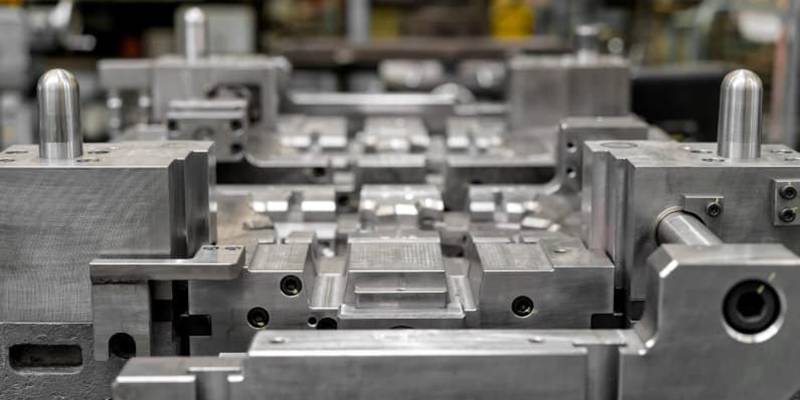
What Kinds of Machinery Are Utilized in Modern Foundries?
How Are Aluminum Alloys Selected for Certain Applications?
Light weight aluminum alloys are picked based upon mechanical homes, corrosion resistance, thermal conductivity, and weight requirements. Designers assess application needs, carrying out examinations and assessments to assure peak efficiency and compatibility with the planned usage of the end product.

What Certifications Do Shops Need to Operate Legally?
Factories have to obtain various certifications to run legally, including ISO, ASTM, and industry-specific standards. These accreditations ensure compliance with safety policies, quality control, and environmental management, promoting trust amongst customers and adherence to legal demands.
Light weight aluminum alloys serve as the foundation for the contemporary light weight aluminum shop process, offering a flexible range of buildings customized for various applications. The melting process try these out is an important action in Get the facts the aluminum foundry, where solid aluminum alloys are changed right into a liquid state to promote casting. Sand casting has been an essential strategy in metalworking for centuries, its cutting-edge applications continue to advance, shaping the future of the light weight aluminum foundry procedure. Making sure the greatest high quality in aluminum shop procedures necessitates strenuous quality control measures throughout the completing phases. Waste monitoring throughout the light weight aluminum spreading procedure entails recycling scrap light weight aluminum, effectively disposing of unsafe materials, and employing dirt collection systems.